SEI ou não SEI — Gameshow Platform
Project overview of a Jeopardy-style gameshow platform I co-built with Rui Oliveira for the 2024 edition of UMinho's Software Engineering Week (SEI).
Feb 17, 2025
3 min read
SEI (Semana da Engenharia Informática, or Software Engineering Week) is the University of Minho's yearly software engineering week, organized by CeSIUM ↗, the Software Engineering students' center, which I was a part of. It's a week packed with talks, workshops, challenges and contests, all run by student volunteers.
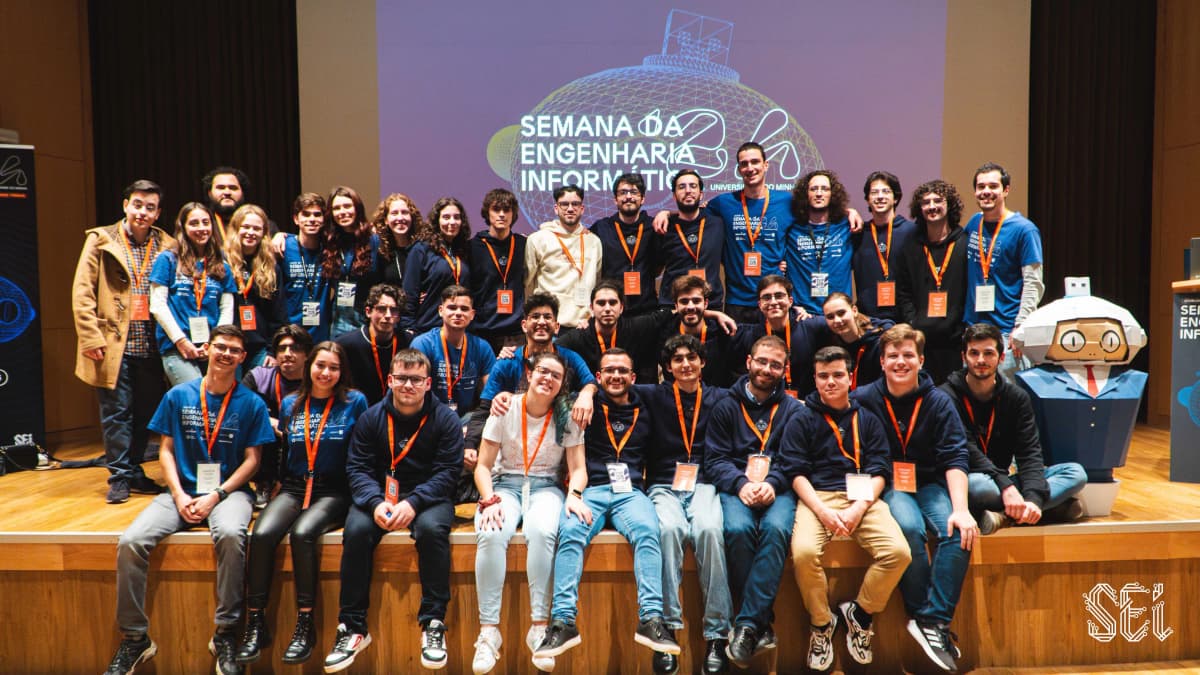
As part of SEI's tech team, I helped build the platform for something new in 2024: SEI ou não SEI, a Jeopardy-style gameshow. The name is a pun, since sei ou não sei is Portuguese for "do I know it or not?"
How It Works
- Pick a questionThe selecting team picks a category and a value from the board: six categories, from algorithms and security to AI and acronyms, with questions worth 100 to 500 points.
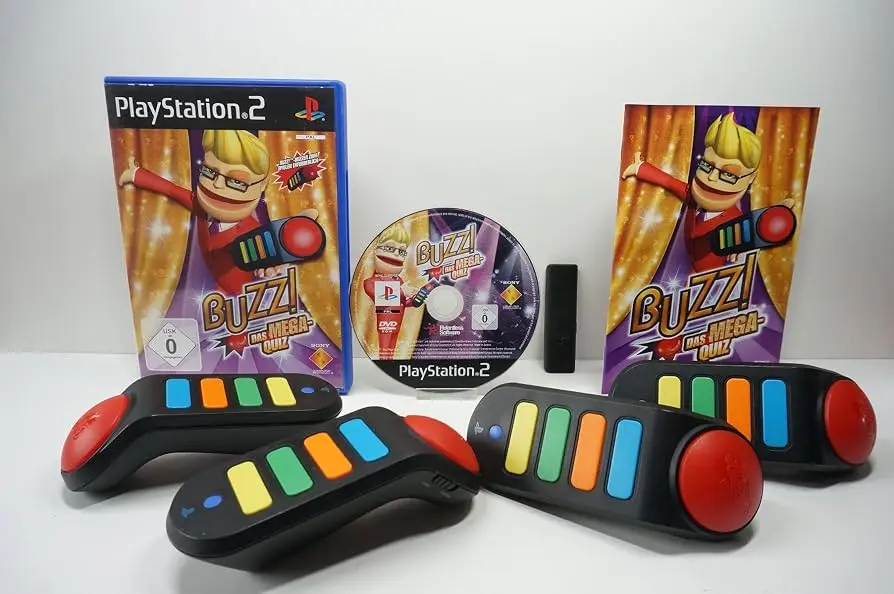
- Buzz inTeams race to hit the red button on their PlayStation Buzz! controller. Buzz in too early, and you're locked out for a moment.
- AnswerA right answer wins the question's points, while a wrong one takes them away.
- Split or StealAdded in 2025In the finale, each team secretly chooses to split or steal with their buttons, before the choices are revealed.
Every team gets its own controller, the same ones from the classic Buzz! quiz games:
How It Was Built
- Next.js
- React
- Python
- FastAPI
- WebSockets
I co-built it with  Rui Oliveira ↗ and
 Luís Pereira ↗. The game's brain is a Python backend built with FastAPI, which holds the whole game state. After every action, like a buzz, a question pick or an answer, it broadcasts the new state over WebSockets to every screen. A small script reads the Buzz! controllers over USB, sending every press to the backend and lighting up the buzzers of the teams that can answer.
The screens are a Next.js app, where I did most of my work. The audience's big screen, the host's view and the staff panel all listen to the same game state, and each one shows the matching scene, from the question board and the countdown to the Split or Steal reveal and the final scores, with smooth transitions in between. The big screen is where the show comes to life, with the original theme and walk-in songs, made by the talented  Carlos Ribeiro ↗, and the sound effects. The host also sees the answers, and the staff panel drives the game: picking questions, opening the buzzers, and marking each answer as right or wrong.
Since it's a live show, mistakes had to be fixable on the spot: every action is saved, so the staff can roll the game back or correct the scores at any moment.